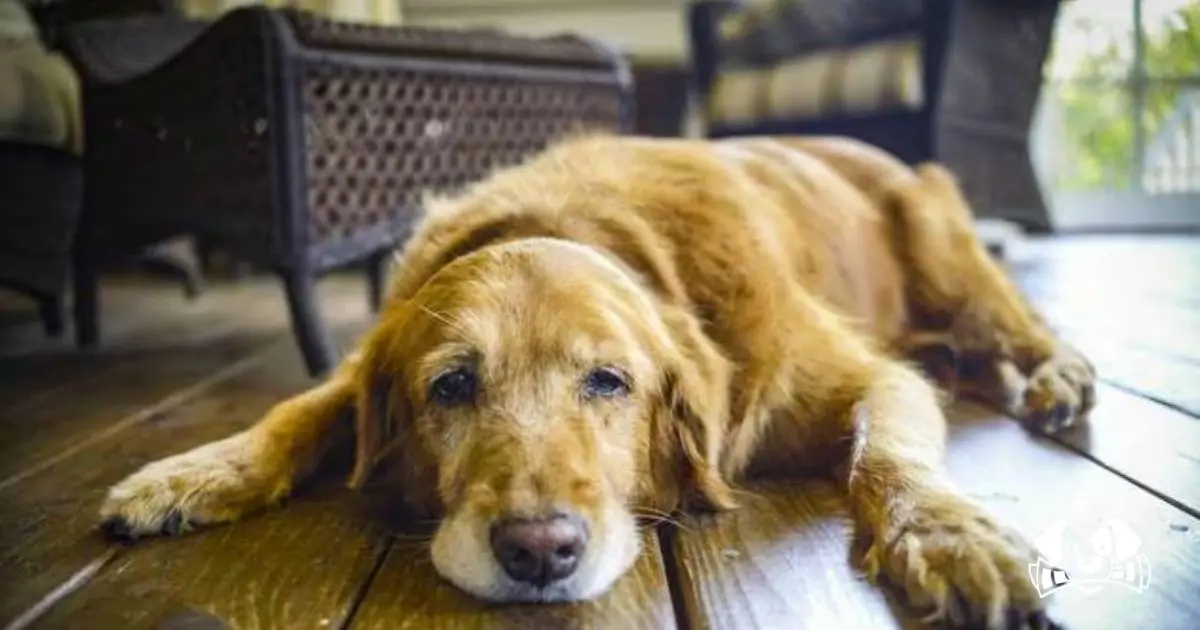
How to Keep Your Dog Cool and Safe in Hot Weather
Dogs can’t sweat like us, and that makes summer heat a silent danger. From burnt paws to heatstroke, warm days can quickly turn risky. Here’s how vets recommend keeping your furry friend safe, cool, and happy during rising temperatures.
.avif)
The Hidden Risks of Warm Weather
Every year, as temperatures rise, veterinarians see a spike in heat-related emergencies. Dogs are especially vulnerable in late spring and early summer, often because they’re out of shape from winter and not yet acclimated to the heat.
Even mild weather can be dangerous. Experts warn that dogs can suffer heatstroke in temperatures as low as 77°F (25°C)—especially when humidity is high. “We can start seeing heatstroke even if the weather isn’t extraordinarily hot,” says Dr. Amanda Cavanagh, head of urgent care at Colorado State University’s veterinary hospital.
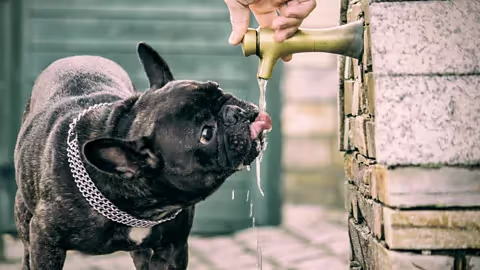
Dogs cool themselves primarily by panting. But breeds with short snouts—like bulldogs, Frenchies, and pugs—struggle to do this efficiently and are up to four times more likely to suffer heat illness. Overweight pets, those on certain medications, and poorly groomed animals also face greater risks.
How to Prepare Your Dog for the Heat
Veterinarians recommend easing dogs into warmer temperatures gradually. Start with shorter walks and schedule outdoor time during cooler hours—early morning or evening. Avoid the midday sun.
Always check the pavement before heading out. If you can’t hold your hand on the ground for 30 seconds, it’s too hot for your dog’s paws. Burns are common in summer—so stick to shaded paths, grass, or dirt when possible.
Bring plenty of water and encourage your dog to drink. Offer shade during breaks and avoid intense playtime during hot hours. Dogs lose water quickly through panting and are prone to dehydration.
And never, ever leave your pet in a car. Temperatures inside can soar dangerously within minutes—even when it feels mild outside.

Grooming, Gear, and Sunscreen: What Helps and What Hurts
Not all fur is bad in summer. Thick double coats—like those of huskies or malamutes—can insulate dogs from heat if kept well-groomed. Shaving them may do more harm than good. Regular brushing helps prevent matting, allowing for airflow and natural cooling.
Pet-safe sunscreen can be helpful for dogs with light skin, pink noses, or sparse fur. Some cats and dogs are prone to sunburn on ear tips or noses—especially sunbathing indoors near windows.
Boots can protect paw pads from hot pavement, but make sure they fit well to avoid sores. Cooling vests? They work—but only briefly. “They help for 10 minutes,” says Cavanagh. “Then they turn into a hot, wet blanket.”
.avif)
.avif)




























.avif)
.avif)
.avif)
.avif)
.avif)
.avif)
.avif)
.avif)
.avif)
.avif)
.avif)

.avif)
.avif)
.avif)
.avif)
.avif)
.avif)
.avif)
.avif)
.avif)
.avif)
.avif)
.avif)

Spotting the Signs of Heatstroke in Dogs and Cats
Early signs of overheating in dogs include:
- Excessive panting
- Noisy or strained breathing
- Bright red gums
- Disorientation or stumbling
Cats may open-mouth breathe when dangerously hot—this is always a medical emergency.
If your pet shows symptoms of heatstroke (especially if their temperature exceeds 105.8°F or 41°C), act immediately. If the vet is more than 10–15 minutes away, start cooling them at home with cool water (not ice cold) and use a fan.
One study found that voluntary head dunking in water was one of the most effective cooling methods. A splash in the bathtub or hosing them down while running a fan across wet fur can help.
But don’t delay veterinary care—heatstroke can damage kidneys, cause internal bleeding, or result in brain injury. Some dogs require blood transfusions or days of hospitalization.
Summer Safety Is About Smarts and Sensitivity
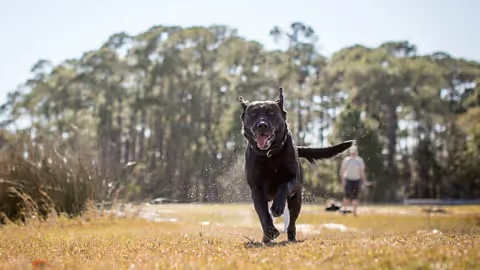
Most pets affected by heatstroke are dogs. “Cats are usually smart enough to avoid it,” says Cavanagh. “But dogs—they’ll follow us until they collapse.”
That’s why it’s our job to protect them. Recognize the risks, plan ahead, and know the signs. With a little care, you and your pet can enjoy the summer safely—together.
Testato, approvato (e amato) dal nostro team!
Non perderti queste storie
.webp)
.webp)
.webp)
.webp)
.webp)
.webp)
.jpg)