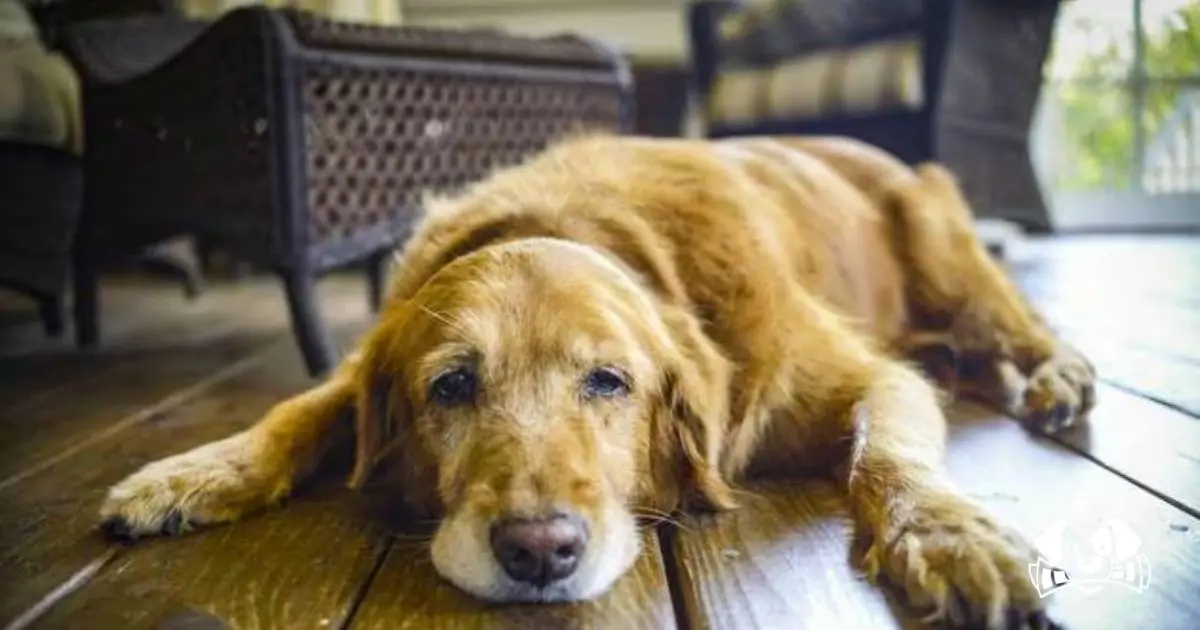
Vets Warn: This Subtle Sign in Dogs and Cats During Hot Weather Could Save Their Lives
When summer temperatures soar, heatstroke and dehydration become silent threats for our pets. But one physical change—often overlooked—can be the earliest warning sign that your cat or dog is in trouble.
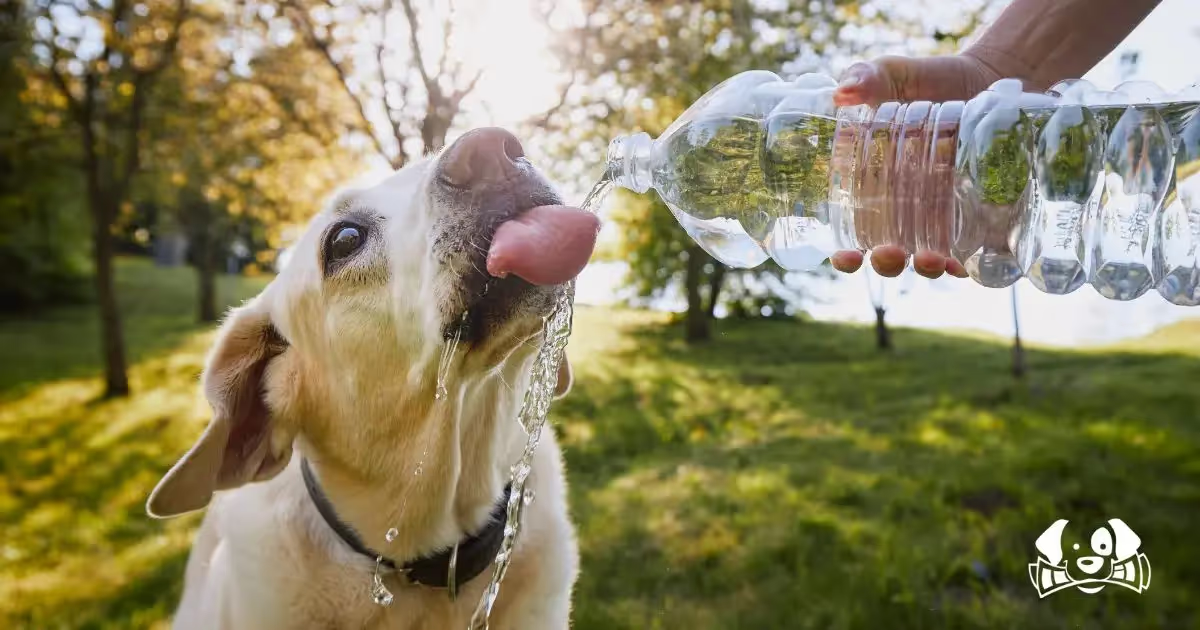
Heat Is More Dangerous for Pets Than You Think
While we often associate heat distress in animals with panting, lethargy, or excessive drooling, veterinarians caution that these symptoms typically appear when dehydration is already advanced. By that point, your pet could be in serious danger.
“Dehydration in pets isn’t always obvious,” explains Dr. Aimee Warner, a UK-based veterinarian. “Once you see extreme lethargy, your animal may already be at real risk.” Unlike humans, cats and dogs don’t sweat to cool down effectively. They rely on panting and limited heat dissipation, and they often only increase their water intake once their bodies are already struggling.
This makes early detection and prevention critical—especially in the hottest months.
The Eye Clue You Should Never Ignore
Among the subtle signs of dehydration, one in particular applies to both cats and dogs: changes in their eyes. In cats, look for “sunken eyes,” while in dogs, watch for “glassy eyes.”
Other signs Dr. Warner highlights include:
- Dry gums
- Lethargy or weakness
- Skin that doesn’t quickly return to place when gently pinched
- Lack of grooming in cats
- Excessive panting in dogs
- Drooling combined with disorientation
She also warns about a commonly misunderstood behavior: “If your pet is actively searching for water, dehydration may already be underway. Provide multiple water bowls indoors and outdoors to encourage regular drinking. Cats often benefit from drinking fountains, which stimulate their interest in water.”
.avif)
.avif)




















.avif)
.avif)
.avif)
.avif)
.avif)
.avif)
.avif)
.avif)
.avif)
.avif)
.avif)

.avif)
.avif)
.avif)
.avif)
.avif)
.avif)
.avif)
.avif)
.avif)
.avif)
.avif)
.avif)

The Skin Pinch Test: A Quick At-Home Check
One of the easiest ways to check for dehydration is the skin tent test. Gently pinch the skin at the back of your pet’s neck and release it. In a well-hydrated animal, the skin should snap back instantly. If it remains tented for more than a second or two, it may be a sign of dehydration.
This simple test, combined with monitoring subtle changes like eye appearance and gum moisture, can help catch problems before they become life-threatening.
Prevention Is Always Easier Than Treatment
Once dehydration sets in, recovery can be difficult—and sometimes requires urgent veterinary intervention. The safest approach is prevention:
- Ensure your pet always has access to fresh, cool water
- Offer ice cubes as a treat for dogs, or ice in water bowls for cats
- Avoid walks during peak heat hours
- Keep pets indoors in a cool, ventilated space
- Use shaded areas and cooling mats outdoors
By paying attention to these small but critical signs, you can protect your pet from the hidden dangers of summer heat.
Tested, approved (and loved) by our team!
Don’t miss these stories
.webp)
.webp)
.webp)
.webp)
.webp)
.webp)
.jpg)