Fireworks and Pets: How to Keep Your Dog or Cat Calm and Safe During Explosive Events
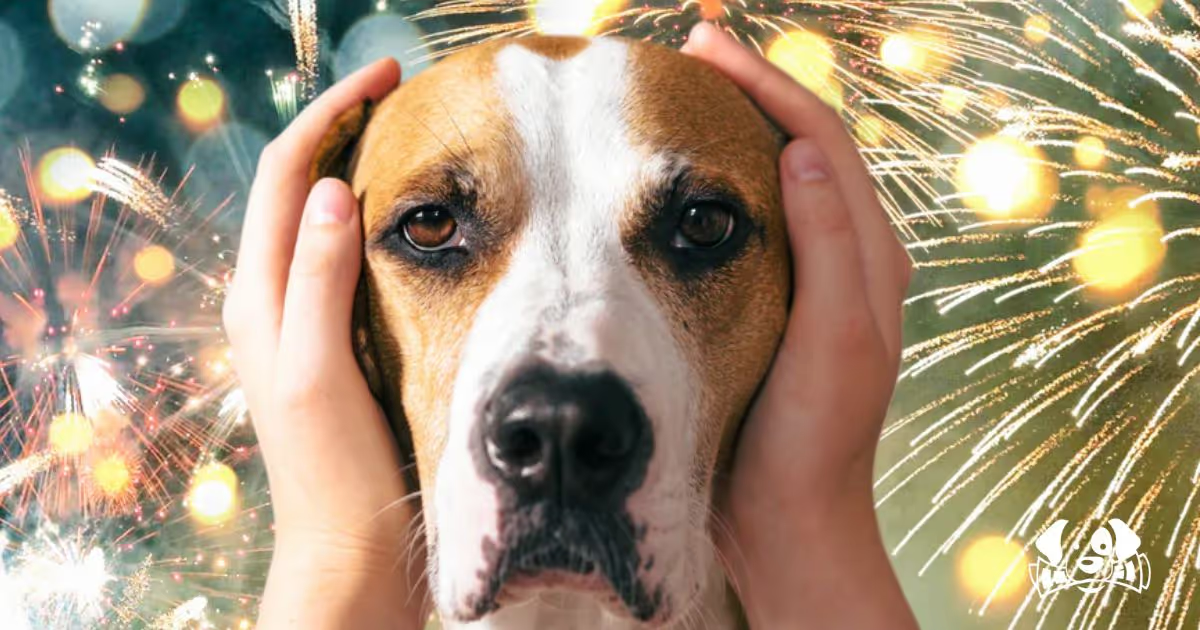
Whether it’s a national holiday, a festival, or a neighborhood celebration, fireworks are a joy for humans—but often a nightmare for pets. Loud explosions, flashing lights, and unfamiliar smells can terrify animals and even endanger their health. Here’s how to help your furry friend get through the night stress-free.
Why Fireworks Terrify Animals
Dogs and cats have highly sensitive hearing—up to four times more acute than humans. Sudden loud noises like fireworks can trigger an intense fear response, especially because animals don’t understand the source of the noise or whether it’s dangerous.
Common stress reactions include:
- Trembling or shaking
- Hiding or attempting to flee
- Whining, barking, or meowing
- Destructive behavior
- Loss of bladder control
- Refusing to eat or drink
Even animals used to city noise may be overwhelmed by the unpredictable and sharp blasts of fireworks, which their instincts interpret as a threat.
The Real Risks: Flight, Injury, and Health Issues
The emotional stress fireworks cause isn’t just unpleasant—it can be dangerous.
Every year, thousands of pets go missing during firework seasons. In some countries, pet disappearance rates spike by up to 30% during public firework nights. Frightened pets may run blindly into traffic, get lost, or injure themselves trying to escape.
In extreme cases, especially for animals with pre-existing anxiety or heart conditions, the stress can lead to serious medical emergencies, including heart attacks.
.avif)
.avif)






















.avif)
.avif)
.avif)
.avif)
.avif)
.avif)
.avif)
.avif)
.avif)
.avif)
.avif)

.avif)
.avif)
.avif)
.avif)
.avif)
.avif)
.avif)
.avif)
.avif)
.avif)
.avif)
.avif)

10 Vet-Approved Tips to Protect Your Pet from Firework Anxiety
1. Keep your pet indoors
No matter how calm your pet usually is, don’t risk it. Even fenced yards aren’t safe—they may panic and bolt.
2. Walk dogs early
Take them out for exercise well before dusk, so they’ve relieved themselves and are tired before the noise begins.
3. Create a safe, quiet space
Close windows, doors, and blinds. Choose a small, cozy room like a bathroom or walk-in closet where your pet can hide and feel secure.
4. Use sound masking
Play calming music, white noise, or keep the TV on to drown out the bangs.
5. Stay calm and stay close
Your presence is reassuring. Sit with them, but avoid overly coddling or appearing stressed yourself.
6. Try calming products
Options include:
- Pheromone diffusers (like Adaptil or Feliway)
- Anti-anxiety wraps (like Thundershirt)
- Herbal calming treats or vet-prescribed sedatives
7. Distract with enrichment
Interactive toys, chew items, or frozen food puzzles can help redirect attention.
8. Never punish fear
Don’t scold your pet for barking or hiding—it will only increase their anxiety.
9. Microchip and tag your pet
In case they do escape, up-to-date identification can be a lifesaver.
10. Talk to your vet
If your pet has a history of phobia or panic attacks, ask about anti-anxiety medication or desensitization therapy.
For Cats and Small Animals: Extra Care Needed
Cats often hide silently when scared. Ensure they have access to high or covered spots where they feel safe. For rabbits, birds, and other small pets, cover cages with thick blankets (leaving ventilation) and bring them inside if possible. Keep them away from open windows to minimize exposure to flashes and sounds.
Long-Term Prevention: Desensitize with Caution
If your pet suffers annually, consider desensitization training well before the season begins. This involves playing firework sounds at a low level and gradually increasing the volume while pairing it with positive experiences. Always do this under guidance from a trainer or behaviorist.
Tested, approved (and loved) by our team!
Don’t miss these stories
.webp)
.webp)
.webp)
.webp)
.webp)
.webp)
.jpg)