
 Thomas Miller
The Hidden Danger Behind a Common Dog Habit
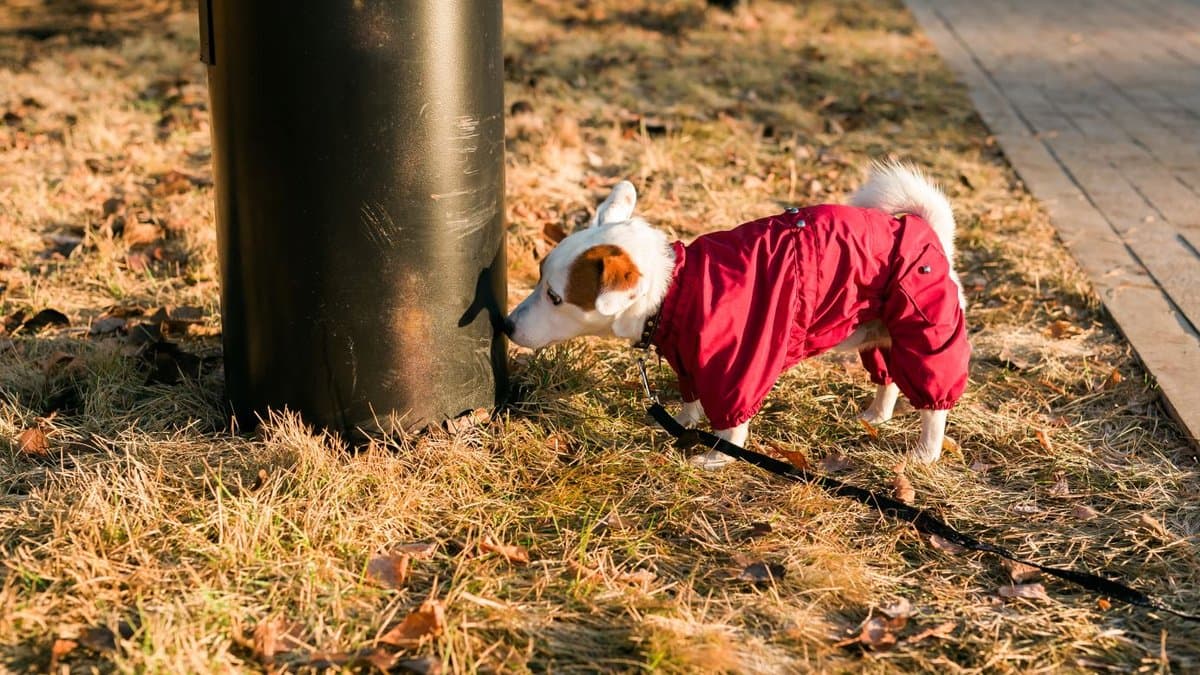
On daily walks, it’s typical for dogs to mark their territory by urinating on vertical surfaces—especially lampposts. While this behavior is instinctual and natural, it conceals a largely overlooked threat to city infrastructure. The acidity in dog urine can corrode metal lamp posts over time, weakening their structural integrity. For municipalities, this becomes a serious concern as damaged streetlights may eventually collapse, posing risks to pedestrians, vehicles, and nearby property. Understanding this hidden danger is the first step toward protecting both our urban environments and our canine companions.
How Dog Urine Accelerates Streetlight Corrosion
Dog urine contains a high concentration of nitrogen compounds, mainly from urea, which can convert into ammonia and other corrosive agents when exposed to air. When dogs mark vertical structures such as lamp poles repeatedly, the acidic nature of their urine gradually breaks down protective coatings and corrodes metal bases. According to Jean-Marie Herzog, Deputy Mayor of Belfort, France, annual safety tests on streetlights reveal that this corrosion is a significant cause of degradation, especially in busy urban areas. This means that what seems like harmless dog behavior actually contributes directly to urban infrastructure wear and tear.
Rejoignez la discussion
Partagez votre expérience sur cet article. Les commentaires se chargent à l'ouverture de la discussion.