Relocating Your Dog from New York to Hong Kong Without Cargo Travel: A Practical Guide
Accueil›News & SocietyPopulaire aujourd'hui

Relocating Your Dog from New York to Hong Kong Without Cargo Travel: A Practical Guide

Discover safe and comfortable alternatives for relocating your dog from New York to Hong Kong without using cargo travel. This guide covers essential steps, regulations, and tips to ensure a smooth transition for your furry friend.

Portrait de Thomas MillerThomas Miller·13 mai·3 min de lecture·21 vues

Discover safe and comfortable alternatives for relocating your dog from New York to Hong Kong without using cargo travel. This guide covers essential steps, regulations, and tips to ensure a smooth transition for your furry friend.

Why Avoid Cargo Travel for Your Dog’s Move to Hong Kong?

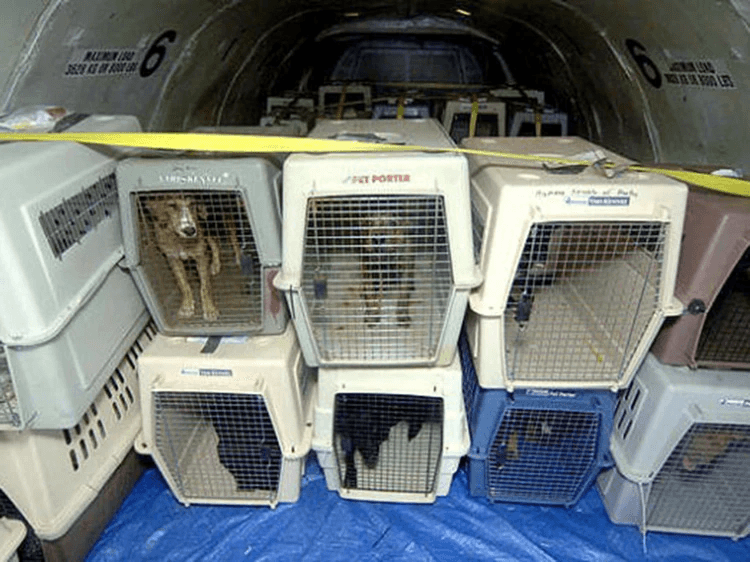
Relocating a dog internationally is challenging, and many pet owners prefer to avoid transporting their furry friends in cargo hold due to safety and comfort concerns. Cargo compartments can be noisy, stressful, and expose pets to temperature fluctuations. For a delicate and sensitive animal, these stressors can lead to health risks. Additionally, cargo travel limits owner-to-pet contact during the journey, making it harder to monitor your dog’s well-being. Opting for pet-friendly cabin travel or specialized pet relocation services can significantly improve your dog's comfort and safety when moving from New York to Hong Kong.

Understanding Hong Kong’s Pet Import Regulations

Before planning your dog’s relocation, it’s vital to familiarize yourself with Hong Kong’s strict pet import requirements. The Agriculture, Fisheries and Conservation Department (AFCD) oversees pet quarantine and import procedures. Dogs entering Hong Kong must undergo health checks, vaccinations, and a quarantine period ranging from a few days to several weeks depending on their country of origin and health status. Securing an import permit beforehand is mandatory, and your dog must have an official microchip, rabies vaccination, and a series of blood tests. Preparing all documents and complying with these regulations in advance will smooth the relocation process.
Traveling With Your Dog in the Cabin: Airlines and Alternatives

While most long-haul flights from New York to Hong Kong do not typically allow dogs in the cabin, some airlines and flight routes offer more pet-friendly options. Research airlines that permit small to medium-sized dogs to travel with you in the cabin or provide specialized pet transport services outside the cargo hold, such as cabin pet stowage or dedicated pet travel areas. Another alternative is breaking the journey into shorter segments with stops in pet-friendly airports, allowing your dog less stressful transfers. Employing a professional pet relocation service that specializes in non-cargo transfers can also provide customized travel arrangements ensuring your dog’s safety and comfort.

Preparing Your Dog for the Journey: Practical Tips

Preparation is key to a smooth relocation. Familiarize your dog with their travel carrier weeks before the trip to reduce anxiety. Ensure vaccinations and health certificates are up-to-date well before the flight. Consult your veterinarian about sedatives or calming supplements if necessary, but avoid heavy sedation which may cause complications. Also, pack familiar toys, blankets, and safe treats to offer comfort during travel. Hydrate your pet before the journey and schedule bathroom breaks if traveling in segments. Finally, label your pet’s carrier clearly with your contact information and any special care instructions.

Post-Arrival Care and Quarantine in Hong Kong

Upon arrival in Hong Kong, your dog will likely undergo a quarantine period, depending on compliance with entry requirements. During this time, ensure your dog’s physical and emotional needs are met through proper nutrition, social interaction, and veterinary check-ups. Facilities often allow owners to visit their pets, helping to reduce stress. Prepare a comfortable environment in the quarantine facility and communicate regularly with staff overseeing your dog’s care. Post-quarantine, continue gradual acclimatization to the new environment in Hong Kong, monitoring your pet closely for any signs of stress or illness.

Rejoignez la discussion

Partagez votre expérience sur cet article. Les commentaires se chargent à l'ouverture de la discussion.