
 Thomas Miller
The Legacy of the Chernobyl Nuclear Disaster on Local Animals
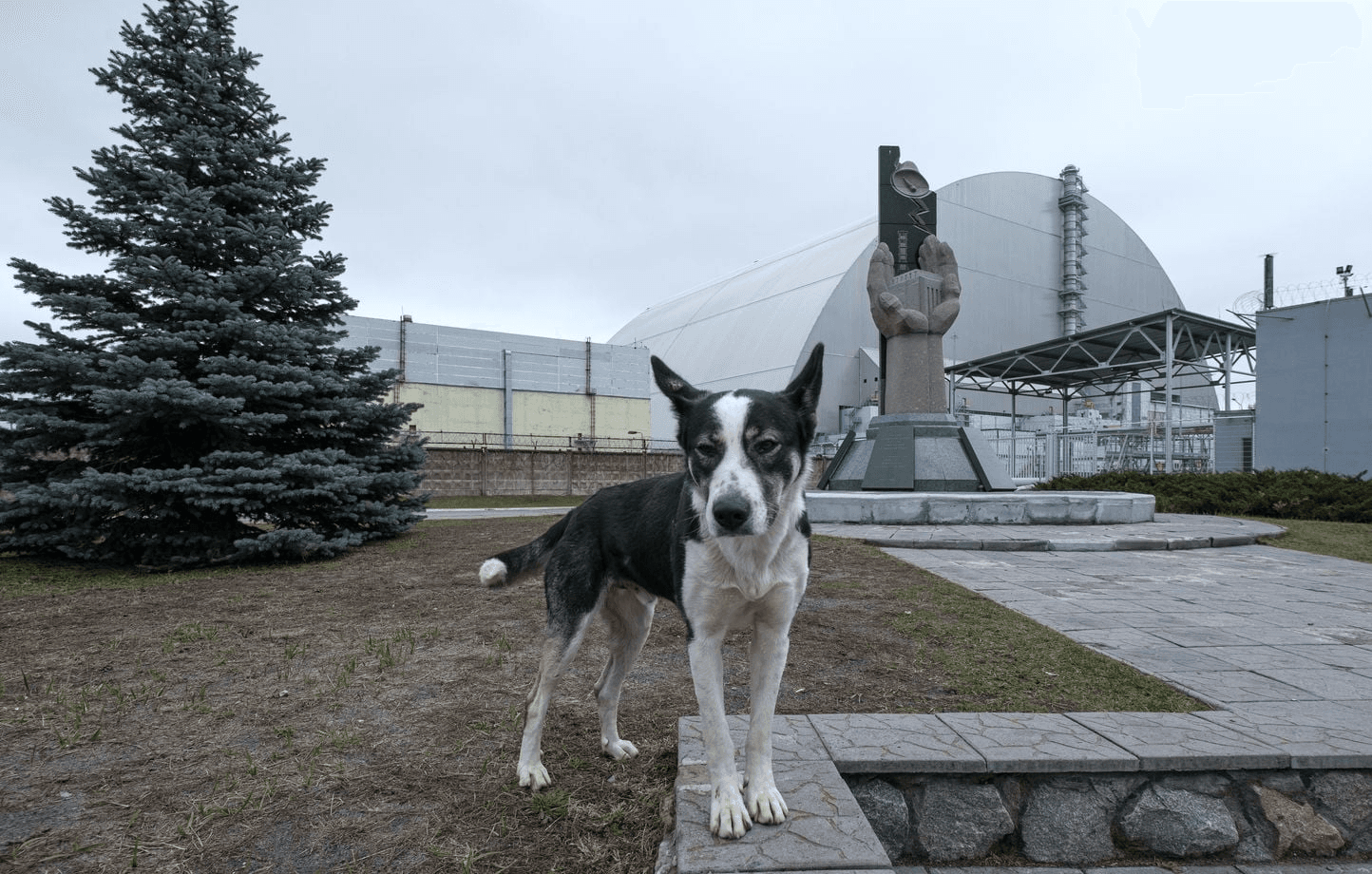
On April 26, 1986, the explosion at reactor number four of the Chernobyl Nuclear Power Plant caused the most catastrophic nuclear accident in history. Shortly after, over 100,000 residents were evacuated from the surrounding area, leaving behind homes, villages, and countless domestic animals. Among these abandoned animals were dogs whose descendants still roam the 2,600-square-kilometer Chernobyl exclusion zone today. These dogs attract attention not because they are thriving but because they continue to survive in a hazardous radioactive environment with limited resources. Understanding their survival provides insight into the long-term ecological impact of nuclear disasters on animal populations.
Survival Strategies: How Stray Dogs Persist in a Radioactive Environment
Despite living in what many would consider uninhabitable terrain, the community of Chernobyl’s stray dogs is not entirely without human interaction. For over a decade, veterinary teams have conducted sterilization and vaccination campaigns to reduce disease outbreaks and control population growth. Still, food sources remain opportunistic — dogs scavenge leftover human food near worker bases, hunt small wildlife, and consume carrion when available. Occasional supplemental feeding by workers also plays a role. This patchwork support system creates localized groups clustered near specific sites with limited movement between them, highlighting both the dogs’ adaptability and their ongoing vulnerability in a harsh, radioactive landscape.


Rejoignez la discussion
Partagez votre expérience sur cet article. Les commentaires se chargent à l'ouverture de la discussion.