Faith, Purity, and Western Influence
There is no formal law in Iran that explicitly bans dogs as pets. However, powerful religious rulings guide enforcement. According to Islamic tradition, dogs are considered “najes” (ritually impure). A fatwa issued by Iran’s supreme leader Ayatollah Ali Khamenei stated that a dog’s saliva or hair renders anything it touches impure—making prayer invalid if dog hair is present.
Beyond purity laws, many hardline officials view dogs as symbols of Western influence. They argue that dog ownership promotes non-Islamic lifestyles and erodes traditional cultural values. This sentiment has been echoed by conservative politicians for years, who describe dogs as a “social threat” that contradicts Islamic morals.
Fines, Confiscation, and Vehicle Impoundments
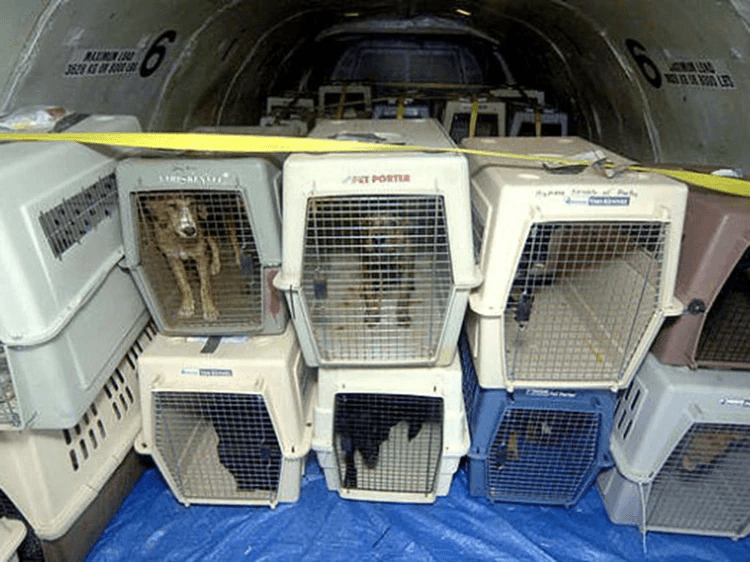
As enforcement ramps up, Iranian dog owners are facing new consequences. In many cities, those found walking their dogs or transporting them in cars are being fined, warned, or even having their pets taken away. In Isfahan, law enforcement has been instructed to seal unauthorized veterinary clinics and pet shops.
In Hamadan, provincial prosecutors stated that dog walking and driving with dogs are “against religious and social values” and a “threat to public health.” Officials in multiple provinces have authorized police to systematically seize vehicles driven by pet owners.


 Thomas Miller


Rejoignez la discussion
Partagez votre expérience sur cet article. Les commentaires se chargent à l'ouverture de la discussion.