
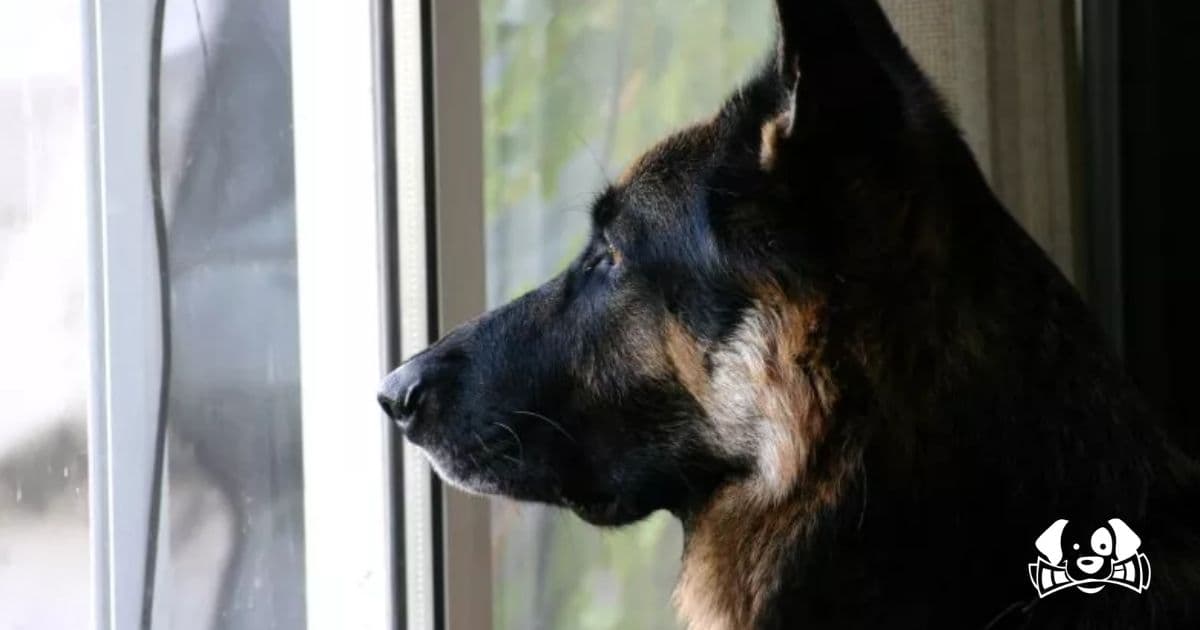
Understanding Separation Anxiety in Dogs
While Moose’s behavior melted hearts online, it also highlights a common issue among pets: separation anxiety. According to the American Kennel Club (AKC), separation anxiety goes beyond occasional whining or minor mischief. Dogs suffering from this condition may:
- Bark excessively or howl when alone.
- Pace nervously.
- Become destructive or have accidents indoors.
- Attempt to escape confinement, such as a crate.
Potential causes include traumatic events, major life changes, or the absence of a family member. Identifying triggers and taking proactive steps can help alleviate a dog’s distress.
Tips for Keeping Dogs Comfortable When Alone
To ease separation anxiety or simply make a pet more comfortable when left alone, experts recommend:
- Mentally Stimulating Toys: Provide puzzle toys to keep their minds engaged.
- Background Noise: Leave the TV or radio on to create a comforting environment.
- Exercise: Ensure your dog has enough physical activity to burn off excess energy.
- Crate Training: Create a safe and quiet space for them to relax.
- Professional Help: Hire a dog walker or consider doggy daycare for socialization.
Building positive associations with being alone can also be helpful. Rewarding your pet with treats or toys before leaving can reinforce that separation isn’t always a bad thing.
@moosiethegermanshepherd Never leaving the house again 😭 #fyp#loyaldog#moose ♬ Scott Street (Slowed Down) - Phoebe Bridgers
Social Media Reacts to Moose’s Heartache
The video of Moose’s heartbreak sparked an outpouring of emotion from TikTok users, generating over 1,300 comments. Reactions ranged from empathetic to humorous:
- "He is calling his pack because he thinks they left him behind. It shatters my heart."
- "Stop, you can NEVER leave your house again."
- "That’s why I don’t put a camera in the house. I’d want to find a way to bring my dog to work."
- "Him waiting to surprise you with his toy when you come back, I can’t."
Moose’s story reminds us of the deep bond we share with our pets and the emotional challenges they may face in our absence.
.webp&w=1080&q=75)
.webp&w=1080&q=75)
.webp&w=1080&q=75)
.webp&w=1080&q=75)